
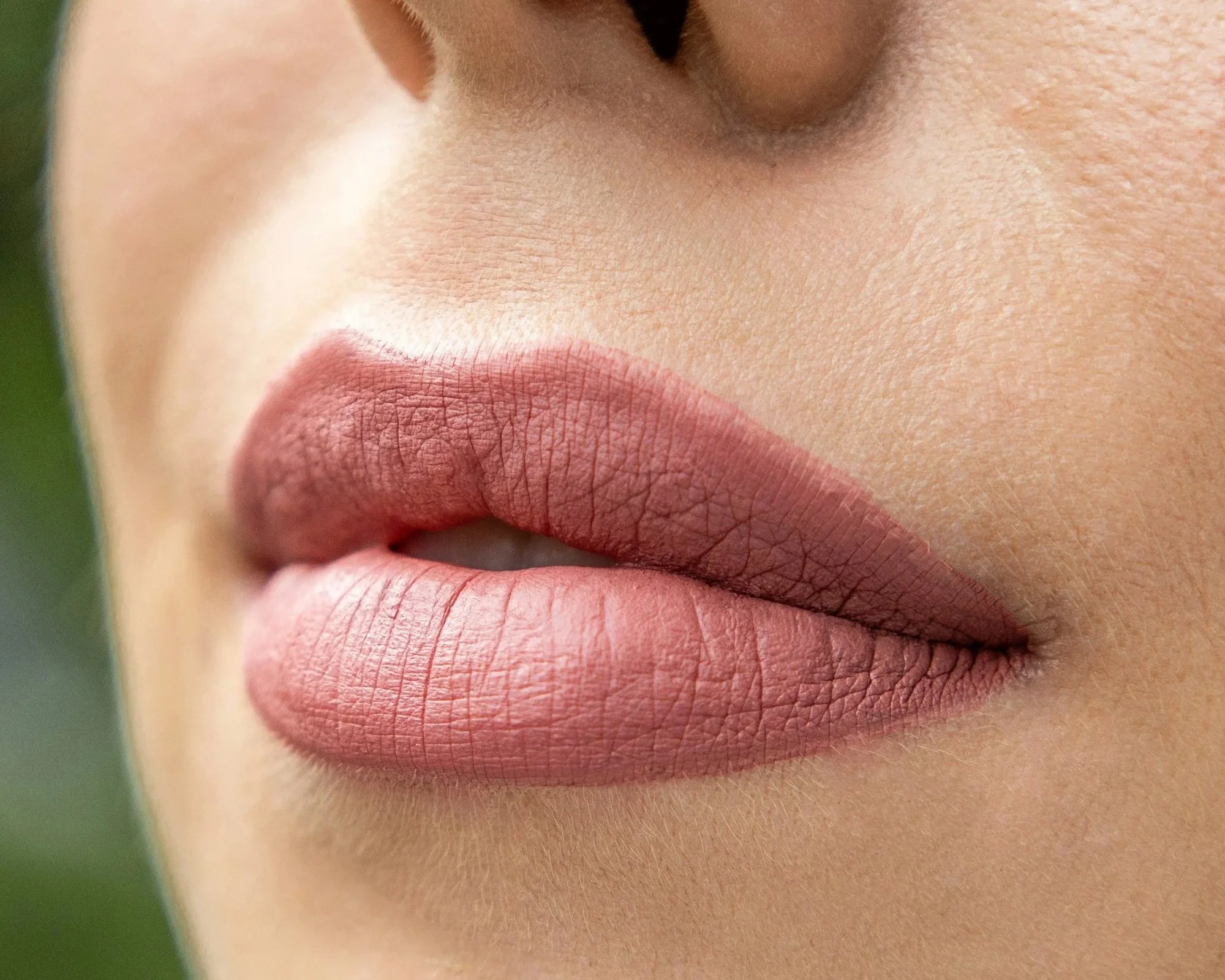
Fat grafting offers a natural solution for patients seeking to restore volume or enhance contours using their own tissue. Dr. Reza Najafian, trained at Johns Hopkins School of Medicine and Oregon Health and Science University, performs this advanced procedure to address concerns ranging from facial aging to body augmentation, delivering harmonious results that respect your unique features.
What Is Fat Grafting?
Fat grafting, also known as fat transfer, involves harvesting excess fat from one area of your body through gentle liposuction, purifying it, and carefully re-injecting it into areas that need volume restoration or enhancement. This procedure serves patients in Eugene, OR who desire facial rejuvenation, breast augmentation, or body contouring without synthetic materials. Unlike temporary dermal fillers that the body gradually absorbs and implants that introduce foreign materials, fat grafting uses your own living tissue. The transferred fat integrates naturally with surrounding structures, creating results that look and feel authentic. Not all transferred fat survives: Typically, 60-80% establishes a permanent blood supply, which is why Dr. Najafian may slightly overfill treatment areas during your procedure.
How Does Fat Transfer Work
The procedure begins with harvesting fat from donor sites such as the abdomen, thighs, or flanks through specialized liposuction techniques. The collected fat is carefully purified by sterile centrifugation or filtration to isolate healthy fat cells while removing damaged cells, blood, and fluids. These purified fat cells are then strategically injected into treatment areas using small cannulas in multiple passes to maximize survival and integration.
Key Advantages of Your Own Fat
Your own tissue eliminates risks of allergic reactions or rejection that can occur with synthetic materials. The transferred fat adapts to your body's natural movements and changes, maintaining a soft, natural texture. Weight fluctuations will affect grafted fat in the same way as other fat in your body.
Who Is a Good Candidate in Eugene
Ideal candidates are generally healthy adults with sufficient donor fat and specific volume concerns. Non-smokers with realistic expectations about outcomes typically achieve the most satisfying results. Dr. Najafian evaluates individual anatomy, goals, and medical history during comprehensive consultations to determine candidacy. The procedure works best for moderate volume enhancement rather than dramatic transformation. Patients with insufficient body fat may be better candidates for alternative treatments.
Health Requirements
Candidates should maintain a stable weight and good overall health to support healing. Active smokers must quit at least four weeks before surgery, as nicotine significantly reduces fat survival rates. Certain medical conditions, including bleeding disorders or uncontrolled diabetes, may preclude candidacy.
Expectations and Goals
Realistic expectations are necessary. Some transferred fat is naturally reabsorbed during the first three months. Multiple sessions spaced several months apart may be needed to achieve the desired volume, particularly for larger augmentation goals.
Common Areas for Fat Transfer
Fat grafting addresses volume loss in the face, hands, breasts, and buttocks. Many patients combine fat grafting with liposuction to simultaneously contour donor areas while improving treatment sites.
Fat Transfer for Facial Volume
Facial fat grafting softens lines, fills hollow areas under the eyes or in the cheeks, and restores youthful volume. This approach rejuvenates features without synthetic implants while maintaining your natural appearance. Results appear gradually as swelling resolves over several weeks.
Facial Fat Grafting
Facial fat grafting offers a long-lasting, natural way to restore youthful facial contours using your body’s own tissue. Common treatment areas include the cheeks, temples, under-eye hollows, nasolabial folds, jawline, and lips, where age-related volume loss can create a tired or sunken appearance. Because the transferred fat integrates with your existing tissue, results look soft and natural while helping refresh overall facial harmony.
Breast and Buttock Augmentation
Fat transfer offers modest breast augmentation – typically one cup size or less per session – and buttock enhancement. This method appeals to patients seeking natural alternatives to implants with minimal scarring, though it requires sufficient donor fat.
Steps for a Successful Procedure and Recovery
Fat grafting typically takes place under general anesthesia or IV sedation. Procedure duration ranges from 1 to 3 hours, depending on the treatment area. Most patients return home the same day with pain medication and detailed aftercare instructions.
Preparation for Fat Grafting
Stop smoking at least four weeks before surgery. Avoid aspirin, ibuprofen, and herbal supplements that increase bleeding risk for two weeks prior. Arrange transportation and post-operative assistance for at least 24 hours.
Recovery Timeline
Initial swelling and bruising typically subside within two weeks. Most patients return to desk work within one week. Compression garments support healing at donor sites for four to six weeks. Avoid strenuous activity for three to four weeks.
Long-Term Results
Final results become apparent three to six months post-procedure after reabsorption stabilizes. Touch-up procedures can address areas needing additional volume. Maintaining a stable weight protects your results.
Frequently Asked Questions About Fat Grafting
How Long Will My Results Last?
Once the transferred fat establishes a blood supply within three months, the results remain permanent. Surviving fat cells behave like fat elsewhere in your body and respond to weight changes.
Are There Any Risks Unique to Fat Grafting?
Risks include fat necrosis, calcification, contour irregularities, or asymmetric absorption. Infection and hematoma remain possible with any surgical procedure. Dr. Najafian uses sterile techniques and monitors healing through scheduled follow-up appointments.
Can Fat Grafting Be Combined With Other Surgeries?
Fat grafting commonly combines with liposuction, breast augmentation, facelifts, or body contouring. Combining procedures reduces overall recovery time and anesthesia exposure.
Is Financing Available for Fat Grafting?
The practice accepts various payment methods and works with medical financing companies. Discuss options during your consultation.
Why Patients Choose Dr. Reza Najafian
Dr. Najafian completed plastic surgery training at Oregon Health & Science University after medical education at the Johns Hopkins School of Medicine. His board certification and refined surgical techniques provide patients with expert care in Eugene.
Request a Consultation in Eugene
Schedule your consultation to discuss your candidacy and goals. Dr. Najafian will evaluate your anatomy, explain realistic outcomes, and answer your questions in a supportive environment.
Expert Fat Grafting in Eugene, OR
