Why We Are Pausing on Peptides: Prioritizing Your Long-Term Safety Over Trends
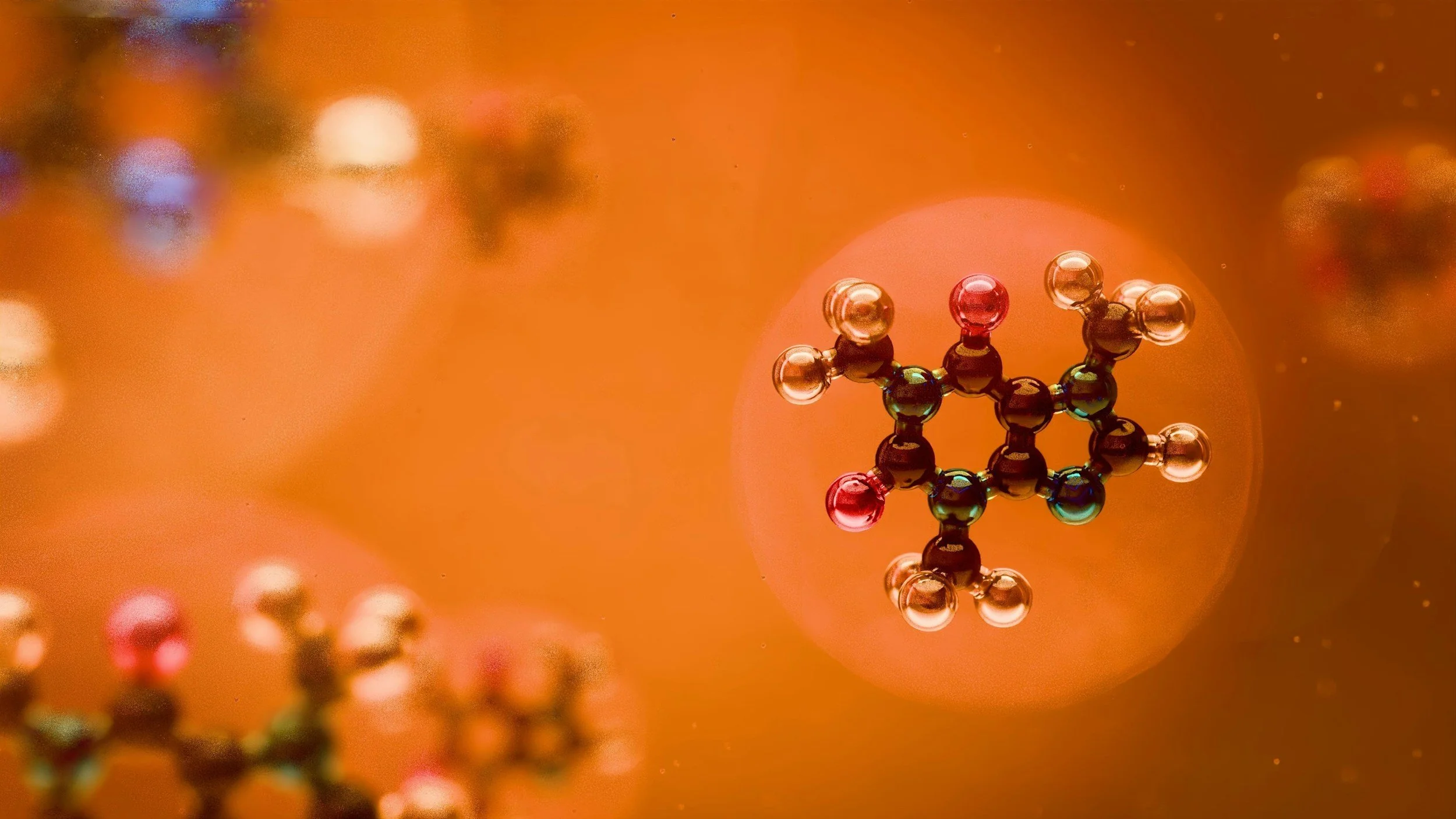
Why This Plastic Surgeon Isn’t Offering Peptides (Yet)
The Hype: Peptides (short chains of amino acids like insulin or Ozempic) act as cellular "text messages" instructing the body to burn fat, build muscle, or repair tissue. They are currently exploding in popularity on TikTok and Instagram.
The Catch: Many anti-aging peptides work by forcing massive surges of growth hormones. In adults, turning off the body’s natural "brakes" on cell growth is dangerous—it can indiscriminately accelerate the growth of unwanted things, including hidden tumors or cellular abnormalities.
The Risks: They are largely unregulated "research chemicals" lacking FDA approval for cosmetic use.
There is zero long-term data on whether they cause autoimmunity, hormone exhaustion, or cancer 5 to 20 years down the road.
Quality control (purity and sterility) is highly inconsistent.
The Bottom Line: As a surgeon-scientist, the author refuses to use patients as a testing ground for trendy, unproven substances. The clinic will stick to rigorously tested, FDA-approved treatments until robust science proves peptides are safe.
Are Peptides the “Elixir of Life” We Have Been Waiting For?!
If you’ve spent any time on social media or reading health blogs lately, you’ve likely heard of peptides. They are frequently hailed as the next frontier in anti-aging, weight loss, and tissue repair.
As a plastic surgeon, my primary goal is to help you look and feel your absolute best. However, an even higher priority is my oath to do no harm. Lately, I’ve been asked by many of our wonderful patients why we don't currently offer peptide therapies in our practice.
The honest answer? The science just isn't there yet, and the potential long-term risks are too high. Here is a look at what peptides actually are, how they work, and why we are choosing to take a cautious, safety-first approach.
What Are Peptides, Anyway? (In Plain English)
Think of your body as a massive, bustling company. For things to run smoothly, different departments need to talk to each other. Peptides are essentially the body's text messages.
The Structure: Peptides are short chains of amino acids.
If you string a massive number of amino acids together, you get a protein (like collagen or muscle tissue). If you only string a few of them together, you get a peptide like insulin or Ozempic. These two are examples of what is very well studied and well-known; but the options for peptides are unlimited!
The Function: Because they are so small, peptides can easily slip into cells and deliver specific instructions. They tell your body to do things like release more growth hormone, burn fat, heal a wound, or produce more melanin to tan your skin.
Because they act like natural messengers, it sounds like they should be perfectly safe, right? Unfortunately, it’s not that simple.
The Big Catch: The Mechanism of Action
To understand why I am concerned, we have to look at their mechanism of action—which is just a medical term for how a treatment works inside your body.
Many of the most popular lifestyle and anti-aging peptides work by stimulating growth factors or forcing the pituitary gland to release massive surges of growth hormone.
In youth, these growth hormones help us build muscle and recover quickly. But artificially forcing your body to crank out growth signals as an adult is playing with fire.
The Core Concern: Growth signals don't always choose what they grow. If you accelerate cell division and turn off the body's natural "brakes" on cell growth, you risk stimulating the growth of things you don't want—including hidden cellular abnormalities or tumors.
Why We Are Waiting: The Unknown Risks
While the short-term results of peptides can look amazing on Instagram, the medical community is severely lacking data on what happens five, ten, or twenty years down the road.
Here is why we are holding off:
They Are Largely Experimental: The vast majority of peptides sold online or at trendy wellness clinics are not FDA-approved for anti-aging or cosmetic use. They are classified as "research chemicals." Buying them often means participating in a massive, unregulated science experiment.
Serious Unknown Side Effects: Because they alter fundamental cellular messaging, we do not yet know the long-term systemic impact. Could they exhaust your body's natural hormone production over time? Could they trigger autoimmune responses? Could they increase the long-term risk of malignancies? Right now, science cannot definitively answer "no."
Lack of Quality Control: Because many of these substances occupy a legal gray area, the purity, dosing, and sterility of the products on the market are highly inconsistent.
Patient Safety is Our Non-Negotiable
Plastic surgery and aesthetic medicine should be empowering, life-enhancing, and above all, safe.
Every surgical technique, filler, and laser we use in our practice is backed by rigorous, peer-reviewed clinical data and years of proven safety track records. I refuse to use my patients as a testing ground for experimental substances, no matter how popular they are on TikTok.
As a surgeon scientist who has invested and contributed in research and evidence based medicine, I do believe in trusting science and in my opinion, your safety should never be up for negotiation - our patients’ reviews approve this message!
We are keeping a very close eye on clinical trials and FDA approvals. If the day comes where robust, long-term data proves specific peptides are safe and effective, we will be the first to welcome them into our toolkit. But until then, we will continue to rely on proven, safe, and scientifically backed methods to achieve your aesthetic goals.
Keep following us here for further updates and check our results for world class surgical and non-surgical outcomes you can get here in Eugene, Oregon.
Thank you for trusting us with your care and your health. If you have any questions about treatments we do recommend for your specific goals, please don't hesitate to reach out to the clinic!